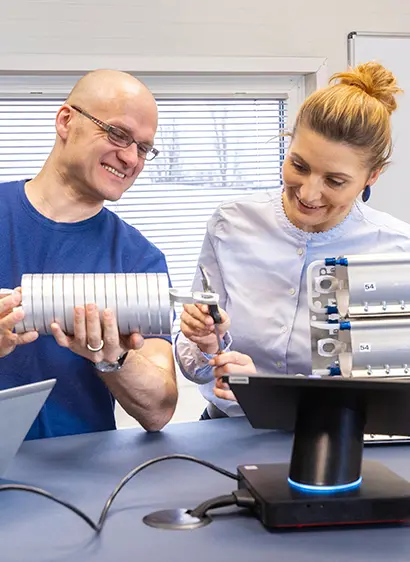
Stamping and Assemblies for Industrial Serial Production
Stamping is an efficient and precise manufacturing method for serial production of metal components. It allows production of large component quantities with consistent quality and in a cost-effective manner.
Our stamping technologies enable versatile solutions from sheet metal components to demanding assemblies. We combine pressing, further processing, and assembly into a functional manufacturing solution.
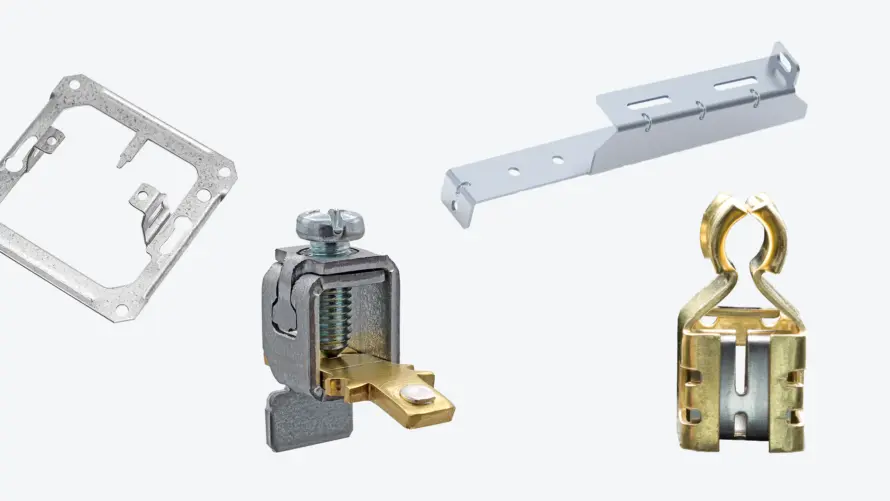
Support for product design of stamped parts
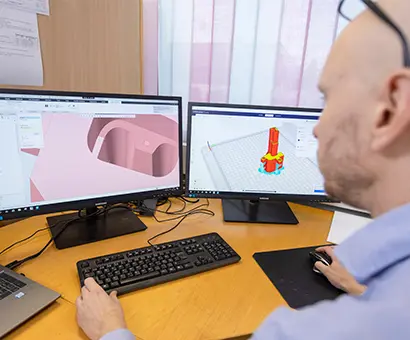
Components manufactured by stamping should be designed with consideration of the manufacturing method already during the product development stage, as this allows improving the product’s manufacturability and cost-efficiency. We will assist our customers in determining the best way for manufacturing a component by stamping to achieve the optimal structure and cost level.
We also offer assistance with choosing the right material, taking into account the requirements for strength, formability, and operating environment. If necessary, we design and manufacture the stamping tools required for production.
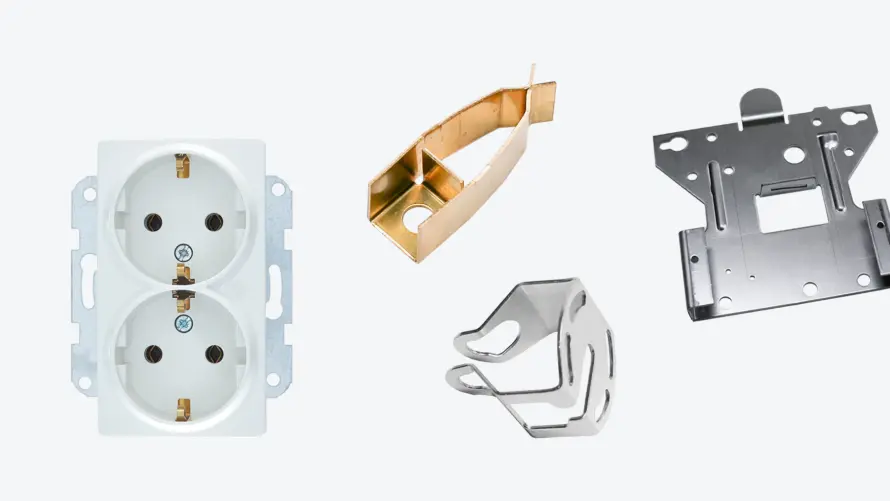
Efficient stamping production
Stamping technology is particularly suitable for the production of large-volume metal components. The process enables precise dimensions, good repeatability, and high production efficiency – therefore, it is well suited for serial production in cases where consistent quality and efficiency are paramount.
We utilize several complementary stamping technologies that allow us to optimize production for different applications.
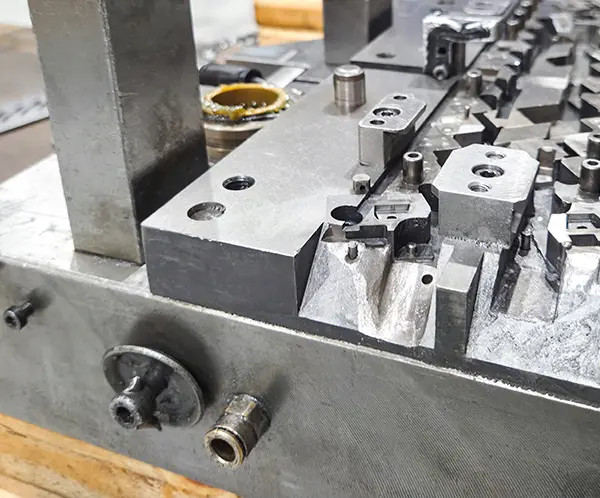
Progressive tools
Particularly suitable for high-volume production, complicated shapes, consistent quality, and good material efficiency.
Progressive cutting application
Especially suitable for production of small and complicated parts in medium and large series. Provides for precise manufacturing and high material efficiency. Also well suited for manufacturing spring products from strip material.
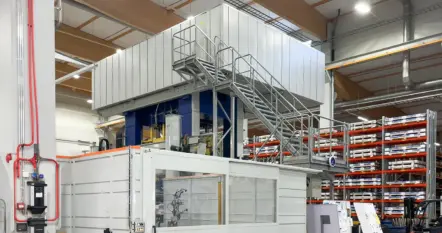
Servo pressing technology
Servo pressing enables a more precise and controlled pressing process. Servo technology offers more possibilities for adjustment as compared to traditional mechanical pressing.
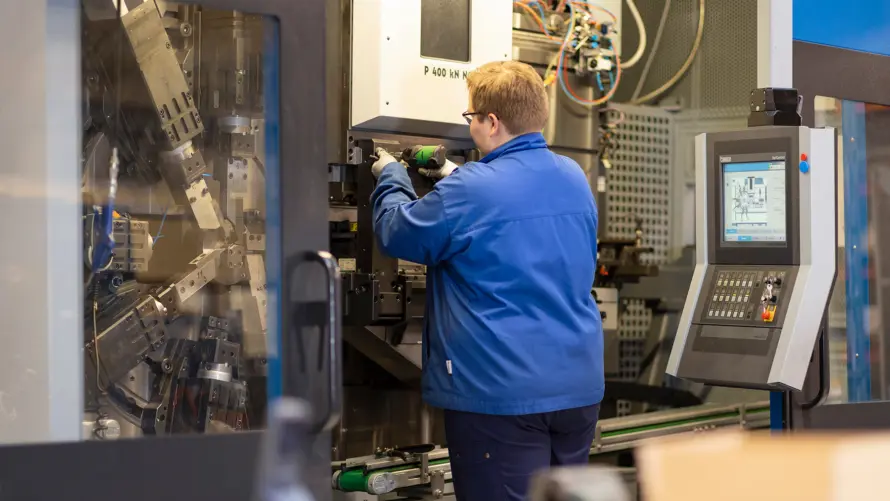
Key advantages of stamping:
- precise control of motion and force
- better process optimization
- good for manufacturing demanding geometries
- more energy-efficient production
In addition, the technology brings flexibility to different materials and allows manufacture of demanding and deep-formed parts. Shorter set-up times improve productivity.
Servo pressing is particularly well suited to demanding cup-shaped forms, housings, formed cover structures and a wide range of industrial design applications. The controlled motion of the servo press and the transfer system enable complex shapes to be manufactured efficiently on a single line. Forming can also increase component stiffness while reducing the amount of material required.
Servo transfer technology is at its best in larger production volumes, with optimal series sizes typically starting at around 10,000 pieces. 3D simulation allows the product geometry to be optimized for servo pressing already at the design stage. This can speed up tool design, improve manufacturability and cost-efficiency, and shorten the time from design to serial production.
The stamping process can also be combined with several work stages, such as cutting, bending, and forming. After manufacture, the components can be finished, for example, by way of surface treatments or assembly operations.
Multi-slide technology and automated assembly
Multi-slide technology is particularly well suited to the efficient serial production of small and complex metal components such as formed springs, fasteners and connectors. Several work stages can be combined into the same process, improving material efficiency and making production more efficient.
Bihler Multicenter automatic machines handle assembly automatically. Customers benefit from customer-specific automated assembly lines that improve process efficiency. Automation is particularly effective in large production series where production speed and consistent quality are essential.
The video does not start? You can watch it here.
Stamping can be used to manufacture a wide variety of metal components, from smaller production quantities to series of millions of pieces. The technology, material and process are selected according to the product requirements and production volume.
Stamping options:
- raw material thickness 0.1–6.0mm
- pressing force: 25–400 tons
- max blank size: 40x400mm or 300x300mm
- materials used:
- steel
- stainless steel
- aluminium
- special metals (copper, brass, tin bronze)
- post-processing and further operations: coating, vibratory finishing, spot welding, riveting, threading, washing, assembly
Assemblies
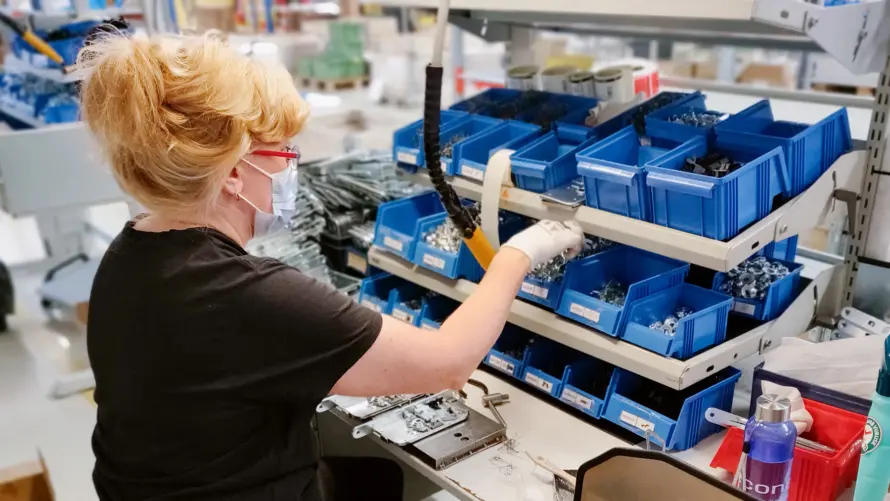
In addition to stamped components, we offer assembly services for composing complete units from individual parts. We assemble pressed components into functional wholes according to the customer’s requirements.
We combine pressing, further processing, and assembly into a single efficient production process. This way, we can deliver the products to the customer as ready-made units directly for production or assembly.
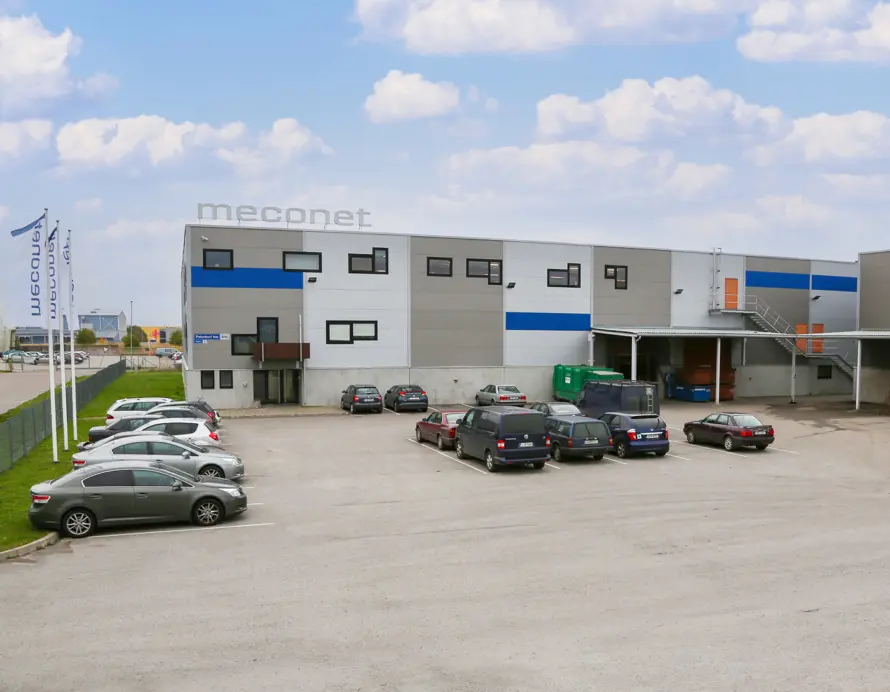
Tailored production lines and assembly solutions in Tallinn
Technologies, machinery, special expertise and additional services. In-house tool manufacturing.
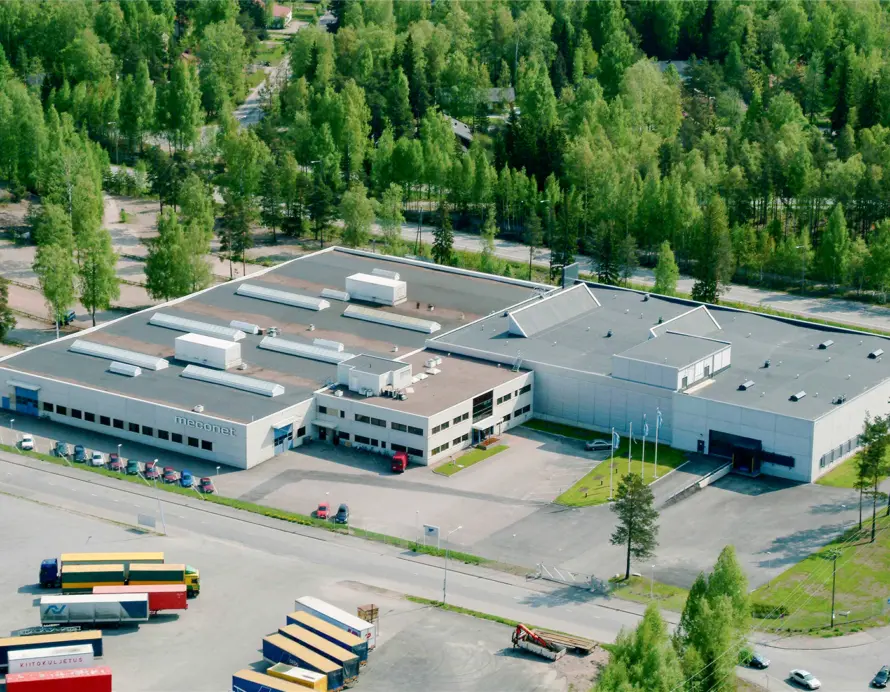
Vantaa plant – center of excellence in stamping
Technologies, special expertise, machinery and tool shop.
-
 Guide
GuideDesign of pressing products
Explore the guide -
 Guide
GuideWant to speed up your product development and optimize production? Unlock the access!
Explore the guide
-
 Blog
BlogAgility in metal forming – Meconet supports also low to mid-volume production needs
Explore the topic -
 Blog
BlogHow can component manufacturing costs be reduced without compromising performance?
Explore the topic
Experts at your service
Are you looking for an efficient manufacturing solution for metal components?
We will gladly help you find the right manufacturing technology for your product.